
How to Spot a Victim of Sex Trafficking
April 20, 2022
Sex-Trafficking Red Flags:

Recruitment Methods:






City skyline
Offers of independence, luxury items (phone, hair, nails), cash
Helpful Definitions
Sex Trafficking:
The recruitment, harboring, transportation, provision, obtaining, patronizing, or soliciting of a person for the purpose of a commercial sex act, in which the commercial sex act is induced by force, fraud, or coercion, or in which the person induced to perform such act has not obtained 18 years of age (2015 Justice for Victims of Trafficking Act).
Child Sex Trafficking: When a child (under 18 years of age) is induced to perform a commercial sex act, proving force, fraud, or coercion against their pimp is not necessary for the offense to be characterized as human trafficking. There are no exceptions to this rule: no cultural or socioeconomic rationalizations should prevent the rescue of children from sexual servitude. The use of children in the commercial sex trade is prohibited both under U.S. law and by statute in most countries around the world. Sex trafficking has devastating consequences for minors, including long-lasting physical and psychological trauma, disease (including HIV/AIDS), drug addiction, unwanted pregnancy, malnutrition, social ostracism, and even death.
Prostitution: A sexual act in exchange for money or anything of value (drugs, shelter, etc.)
Pimp/Trafficker/Facilitator:
The person(s) using force, fraud, or coercion for commercial sexual exploitation and collaborators who benefit financially.
Situations
- Has history of sexual abuse, neglect or domestic violence.
- Has family background in commercial sex.
- Is displaced by social or natural disaster.
- Is part of an undocumented, stateless, or ostracized group.
- Is experiencing poverty or family economic strain.
- Is experiencing unstable or inconsistent family conditions (i.e., parental absence or neglect, substance abuse, physical/sexual/emotional abuse, multiple foster homes).
- Is running away or is a truant.
- Has low self-esteem or self-worth.
- Is experimenting with risky sexual behaviors or drugs.
Locations
- Strip clubs, bars, exotic dance clubs, adult bookstores, modeling studios, or massage parlors.
- Pornography, online ads, chat services, or sexual services publicized on the Internet or in newspapers.
- Escort services, dating services, or prostitution.
- The streets (i.e. "tracks").
Conditions
- Is not free to leave or come and go as he/she wishes; unable to leave home or place of work; or cannot leave the premises unless escorted.
- Is under 18 years old and performs commercial sex acts.
- Is in the commercial sex industry and has a pimp/manager.
- Is unpaid, paid very little, or paid only through tips.
- Owes a large debt and is unable to pay it off.
- Was recruited through false promises concerning the nature and conditions of his/her work.
- Works and/or lives in locations with high security measures (e.g. opaque windows, boarded up windows, bars on the insides of windows, barbed wire inside of fences, locked doors, isolated location, security cameras, etc.).
- Lives at the same premises as the brothel, work site, or employer or are driven between quarters and "work" by a guard.
- Has a trafficker who may act as a translator or insist on being present and/or translating; may be unable to speak for oneself or share one’s own information; information is provided by someone accompanying the individual; or may seem to adhere to scripted or rehearsed responses in social interaction.
- Lives with multiple people in cramped space.
- Has large amounts of cash and condoms, customer logbook or receipt book ("trick book"), spare rooms, or constant traffic of men at his/her home or work location.
- Has sudden presence of an older boyfriend or is excessively monitored or controlled by parents, a supposed guardian, older partner, or ‘sponsor’ who claims to provide for their upbringing and needs.
- Has few or no personal possessions; is not in control of his/her own money; has no financial records or bank account; appears destitute/lacks personal possessions; or lacks private space.
- Is not in control of his/her own identification documents (ID or passport) or employer is holding identity documents.
- Checks into hotels/motels with older males, and refers to those males as boyfriend or “daddy” which is often street slang for pimp.
- Is frequently moved by a trafficker.
- Has poor living conditions.
- Is unable to speak with other individuals alone.
- Has stopped attending school (if child).
Symptoms
- Is detached or (suddenly) isolated from the majority of family members, friends, community organizations, or houses of worship.
- Has had a sudden or dramatic change in behavior.
- Is unable to give answers about schedule or living and work locations/conditions.
- Has numerous inconsistencies in his/her story or contradictory personal information (age, place of birth, family life).
- Experiences noticeable change in dress, jewelry, hair or nails without explainable source of income.
- Shows signs of physical or sexual abuse, physical restraint, injuries from beatings or weapons, confinement, or torture (bruises, cuts, burns, cigarette burns, submissiveness, broken bones, scarring, malnourishment, or untreated medical problems); appears fearful, jumpy, anxious, depressed, overly submissive, tense, or nervous/paranoid or avoids eye contact, especially after bringing up law enforcement; lacks health care; is dehydrated; or has poor personal hygiene.
- Suffers from substance abuse problems (alcohol and/or drugs), shock and denial, post-traumatic stress disorder, phobias, panic attacks, anxiety, depression, sleep or eating disorders, sexually transmitted diseases, tuberculosis, hepatitis, reproductive health problems, pelvic pain and injuries from sexual assault or forced abortions, urinary tract infections, or untreated chronic illnesses such as diabetes, cancer, or cardiovascular disease.
- Carries multiple hotel key cards, lots of money, sharp objects (weapons).
- Has a tattoo with a name that is not his/her own or that he/she is reluctant to explain or has tattoos/ branding on the neck and/or lower back.
- Has claims of just visiting and inability to clarify where he/she is staying/address, lack of knowledge of whereabouts; does not know what city he/she is in; has a loss of sense of time or space; or has limited knowledge about how to get around in a community.
- Has evidence of being controlled either physically or psychologically.
- Develops general feelings of helplessness, shame, guilt, self-blame, and humiliation; has become emotionally numb, detached, and disassociated from physical and psychological trauma and displays a “flat affect”; experiences “trauma bonding” with the trafficker; positively identifies with the trafficker and believes that, despite repeated abuse, the trafficker is a loving boyfriend, spouse, or parent; or suffers from verbal or psychological abuse designed to intimidate, degrade and frighten the individual
Share this post!
Help more people get the facts. The conversation doesn’t have to stop here. Help raise awareness about sex trafficking by sharing this article with your own social networks. Every share helps more people understand the issue and why our collective response matters.
Thanks for reading!
Please consider donating to help us continue to make a difference.

Celebrate Awaken’s 10-year journey transforming lives, supporting sex trafficking survivors, raising awareness, and advancing change for women and children in Nevada.

In her TEDx talk, Jen Campbell (formerly Jen Robinson) explains how traffickers target youth and how trusted adults can help prevent sex trafficking.

Explore why prostitution should not be treated as ordinary work, examining survivor experiences, sexual violence, exploitation, and the connection to sex trafficking.

Hear survivor Rebekah Charleston and other women speak out about prostitution, sex trafficking, and exploitation in Nevada—and why they say change is needed.

Thanks to generous community support, Awaken raised over $340,000 at its 2019 banquet to expand services and help women and children affected by exploitation.

Fifty-five Nevada survivors urge D.C. lawmakers to reject full prostitution decriminalization, sharing firsthand accounts of exploitation, violence, and trauma.

Article Two: What Exactly Is Coercion And Why Does It Seem To Be Working?

Your Words Could Bring An End To Sex Trafficking, Or Perpetuate It One of the simplest ways we can prevent child sex trafficking is held in the power of our tongue. Every day, we can be listening deeper to the words we use and the misconceptions we perpetuate that we’ve brought…
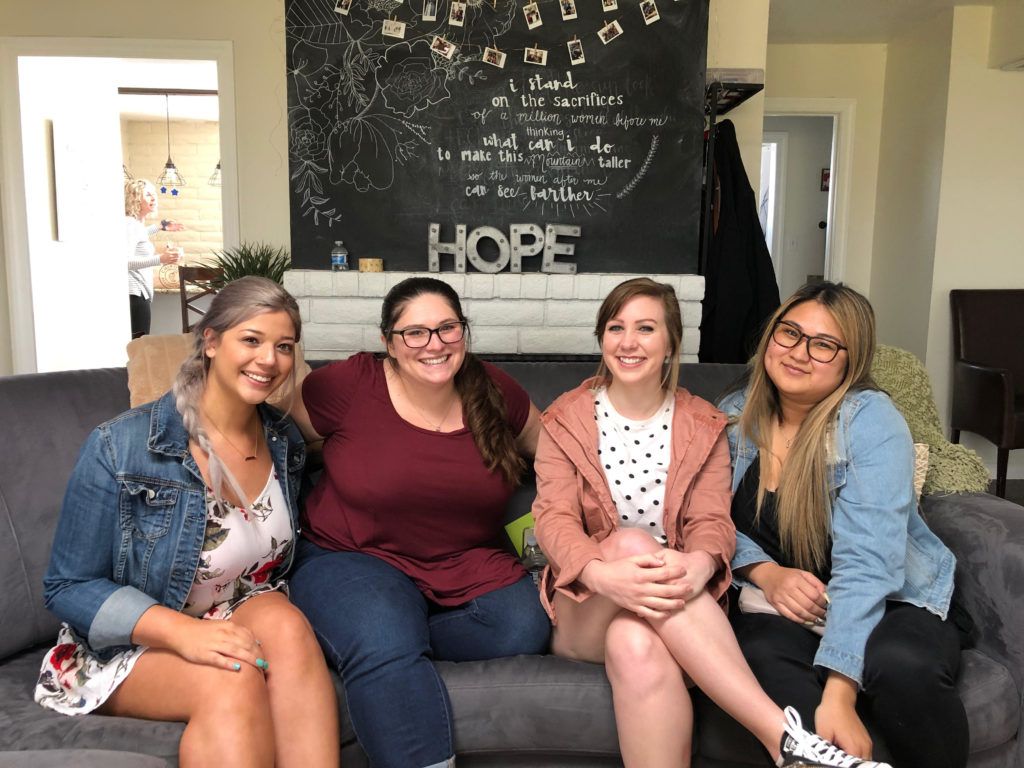
As the school year has come to an end, Awaken has said goodbye to six of our spring interns and welcomed four new summer interns! These students are a vital part of the Awaken team, and every semester it’s tough to say goodbye. Both staff and clients become close to them. During the spring semester,…