Is Prostitution Really a Choice? What “She Chose It” Leaves Out
When conversations turn to the sex trade or prostitution, one phrase comes up again and again: “But she chose it.”
Those four words are often used to end the conversation. If an adult woman made the decision herself, the argument goes, who are we to question it?
But that explanation ignores a much deeper question: What choices did she actually have?
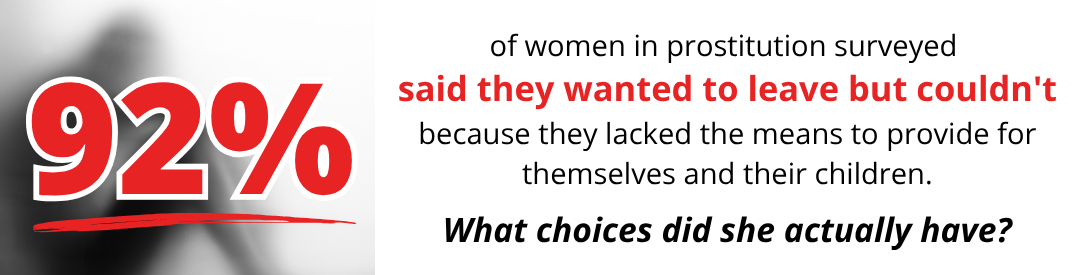
Choice does not exist in a vacuum. Some statistics show that 92% of women in prostitution want to leave but cannot due to the inability to provide basic needs for themselves and their children. Poverty, homelessness, hunger, abuse, childcare responsibilities, discrimination, and a lack of economic opportunity can dramatically shape the decisions available to a person.
Recognizing that reality does not take away a woman’s agency. It asks us to take her circumstances seriously.
Here are five reasons all choices are not created equal when it comes to prostitution:
1. Poverty and Financial Desperation Limit Choices in Prostitution
Sex buyers, defenders of the sex trade and prostitution, and people indifferent to the sex trade often begin with the same response: “She chose it.”
But what does choice mean when the alternatives are homelessness, hunger, eviction, or being unable to provide for your children?
Simply put: for survival.
Over the years, there have been many studies done that show that the women in prostitution are there because of a lack of other options, to simply survive.
When a decision is made under severe economic constraint, the question should not end with, “Did she choose it?” We should also be asking: What viable alternatives were actually available to her?
Some may argue that providing those alternatives is not our responsibility as a society.
I disagree.
What does it say about us if women facing poverty and desperation are left with prostitution as one of their only viable ways to survive?
It is easy to compartmentalize legal prostitution and dismiss the issue as simply “her choice.” But when we ignore the conditions that created that choice, we risk normalizing a system in which economic vulnerability can be converted into commercial sexual access.

2. Meaningful Choice Requires Viable Alternatives
You cannot measure freedom of choice only by whether someone said yes. You also have to look at what they were realistically able to say no to.
If a woman is facing overwhelming childcare responsibilities, hunger, unstable housing, poverty, or a lack of employment opportunities, alternatives that may seem obvious to someone on the outside may not actually be accessible to her.
This is where the data matters.
Research involving women in prostitution has reported deeply troubling experiences and vulnerabilities. Among the findings cited in research on prostitution:
BEHIND THE WORD "CHOICE": WHAT THE RESEARCH REVEALS ABOUT PROSTITUTION
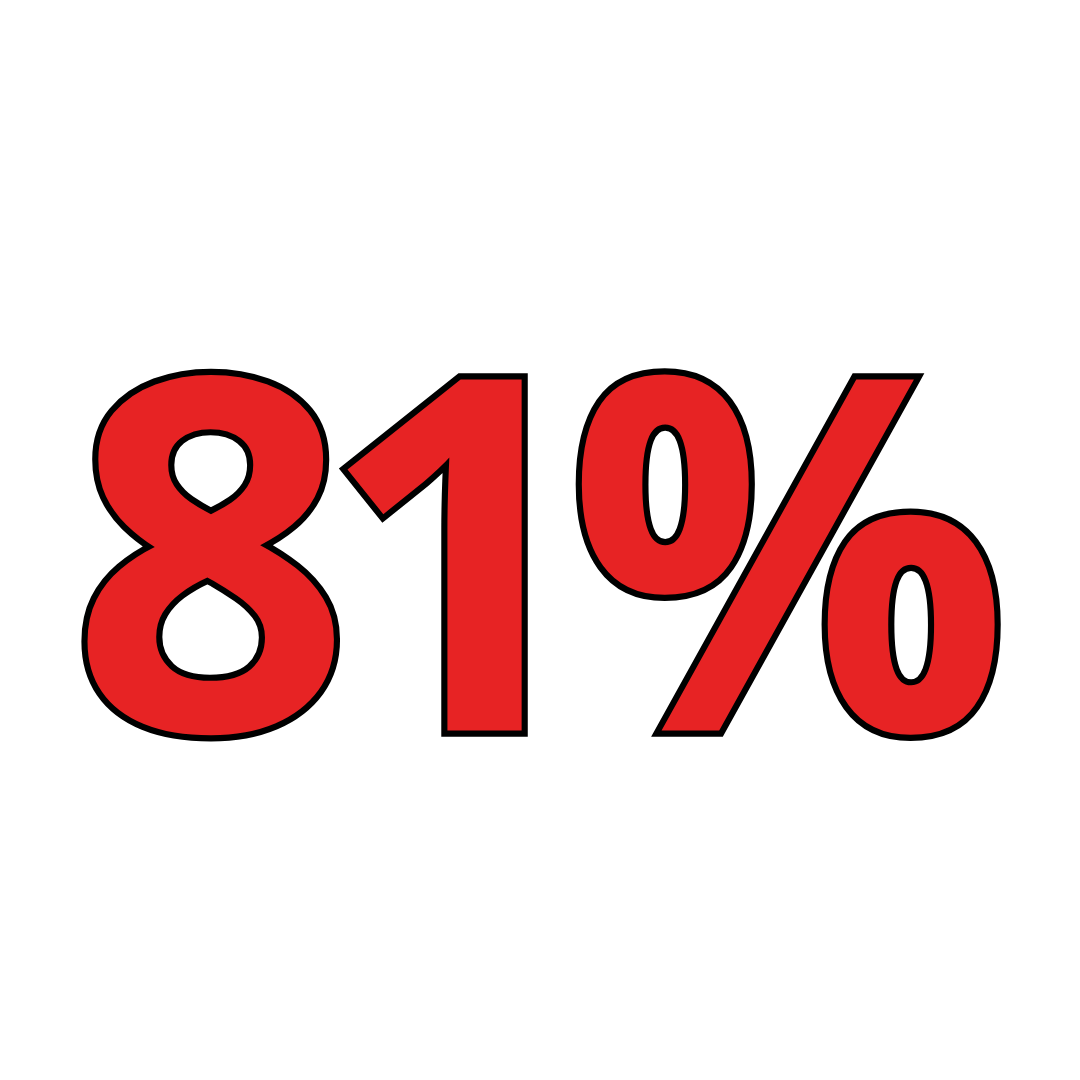
wanted to escape prostitution
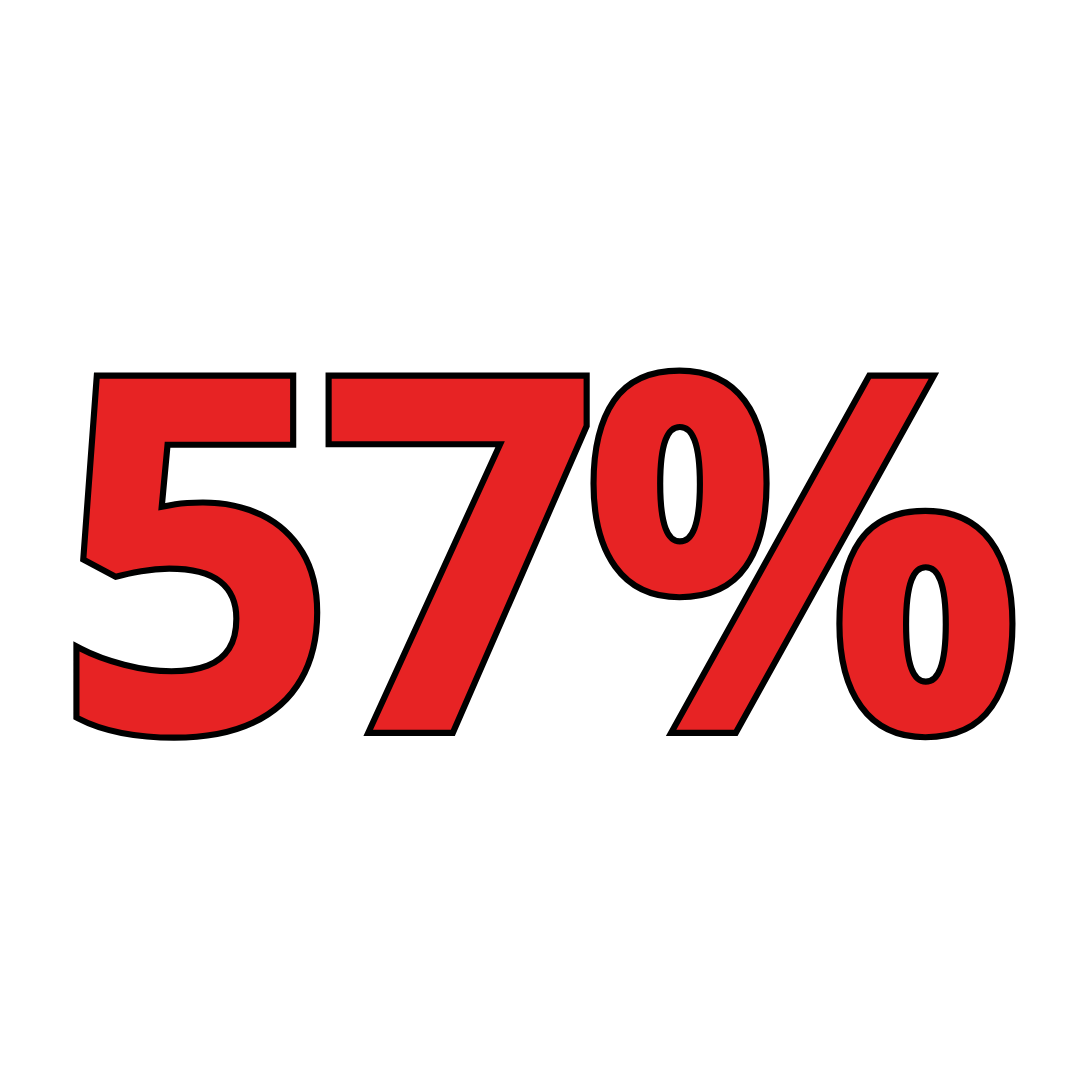
report childhood sexual abuse

reported having pimps or traffickers
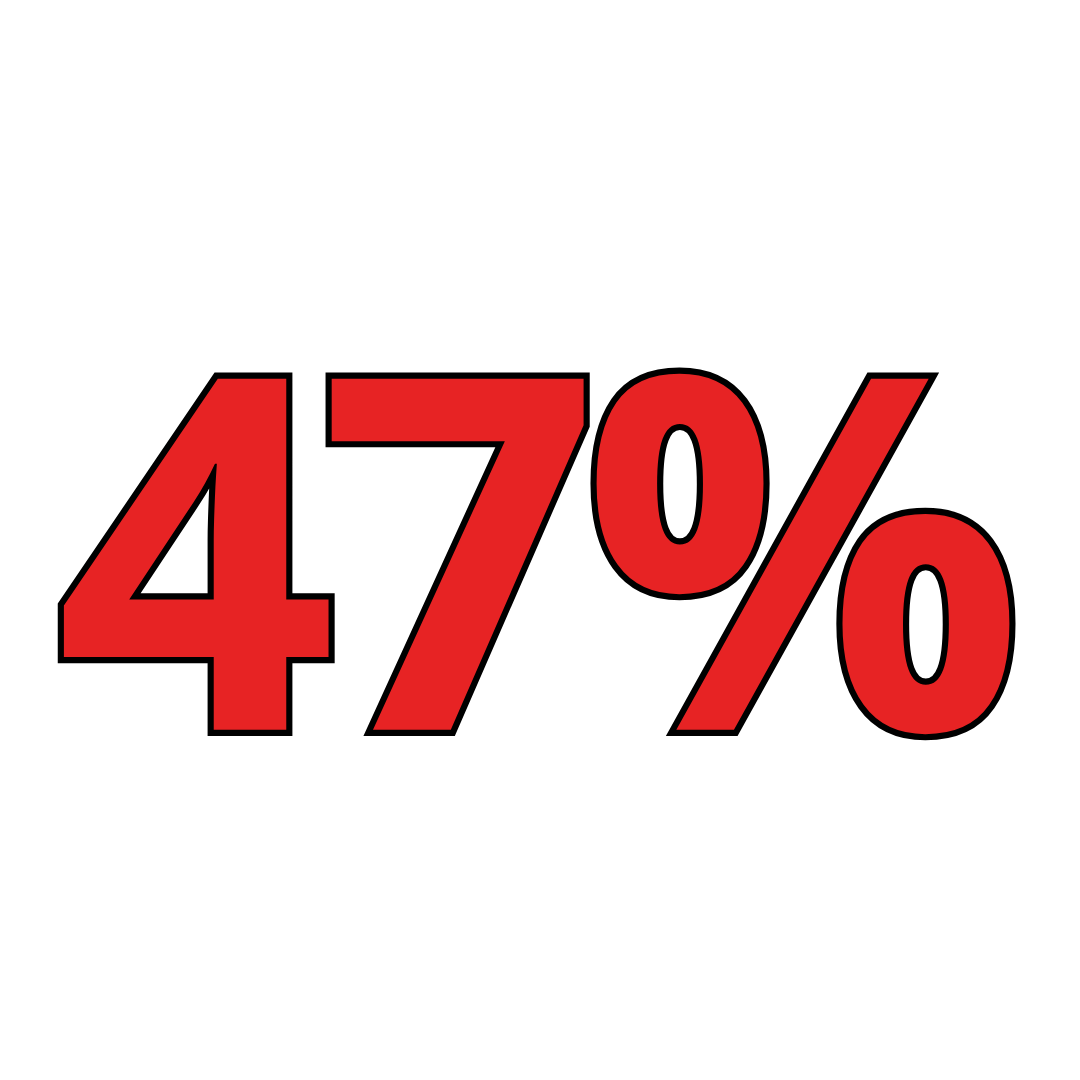
reported experiencing homelessness
Reported findings from research involving women in prostitution.
Those statistics help us move the conversation beyond the abstract idea of “choice” and look at the circumstances in which those choices are actually being made.
The question is not whether women are capable of making decisions for themselves. Of course they are.
The question is whether desperation should be mistaken for opportunity.
3. Vulnerability and Exploitation in Prostitution
Contrary to popular belief, exploitation does not always look like kidnapping, chains, or someone being held at gunpoint.
Those things happen. But more often, exploitation looks like someone taking advantage of another person's financial desperation, homelessness, dependency, youth, isolation, or lack of familial and community support.
A person can technically agree to something while still operating within circumstances that dramatically limit their options.
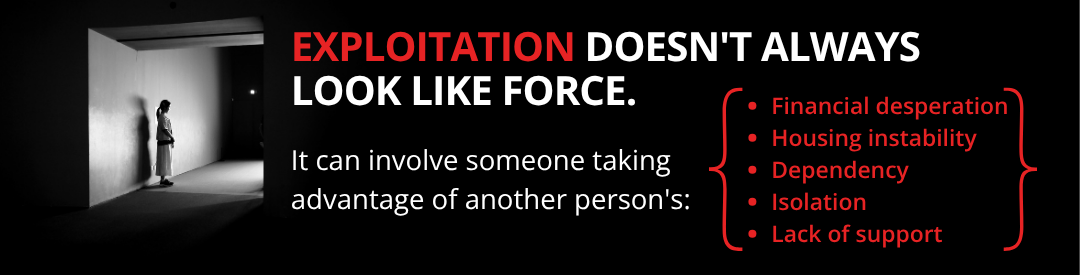
That distinction matters.
If our understanding of exploitation requires visible physical force before we are willing to recognize vulnerability, we overlook the more common ways desperation can be used for someone else's benefit in the sex trade.
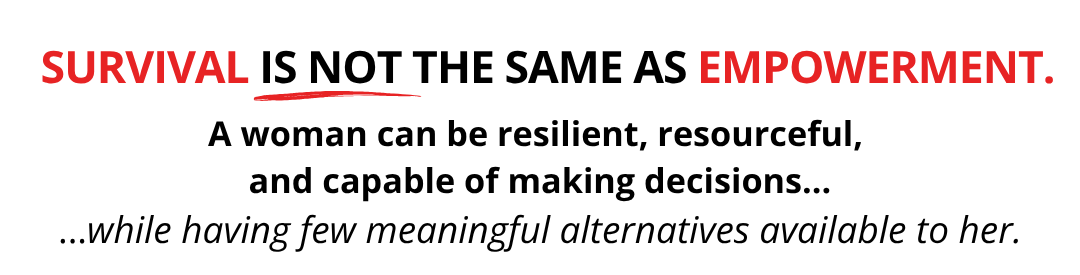
4. Survival Is Not the Same as Empowerment
When someone makes an extraordinarily difficult decision because they need to survive, we should be careful about rebranding that decision as empowerment.
Recognizing the constraints surrounding someone's choices does not mean portraying women as incapable of making decisions for themselves.
We can respect a woman's agency while simultaneously asking why her survival depends on her working in the commercial sex industry.
Those ideas are not contradictory.
A woman can be resilient, resourceful, and capable of making her own decisions while still existing within a system that gives her profoundly unequal options.
Surviving within an unequal or exploitative system does not prove that the system itself is equal, empowering, or safe.
5. Barriers to Leaving Prostitution
Perhaps one of the most important tests of meaningful choice is not simply whether someone can enter into the commercial sex trade.
It is whether she has realistic options to leave.
Does she have somewhere safe to live? Can she support herself and her children? Does she have access to education or employment? Can she obtain childcare? Can she leave without becoming homeless? Can she earn enough to survive outside the sex trade?
If we are genuinely concerned about protecting women's choices, then our concern cannot stop at defending their ability to enter prostitution.
We should be equally committed to ensuring that women have viable choices outside of the sex trade. That means investing in housing, employment, education, childcare, legal assistance, and other pathways that expand, not restrict, the choices available to one’s ability to leave.
This is not an argument that women lack agency. It is an argument that poverty and vulnerability should not determine how much agency a woman gets to exercise.
It is time to stop romanticizing prostitution and want more for women than the freedom to choose among desperate options.
Because the next time we say, “She chose it,” we must be willing to confront a far more uncomfortable question: What other choices did she actually have?
And if the answer is none, then we must stop calling it freedom and start asking why we have built a society where exploitation is considered an acceptable alternative to poverty.

Join The Justice Forum and stand with Awaken as we work toward a Nevada where sex trafficking is eradicated, survivors are protected, and communities are safer for everyone.
It’s free.
Stay informed. Speak up. Take action.
Share this post!
Help more people get the facts. The conversation doesn’t have to stop here. Help raise awareness about sex trafficking by sharing this article with your own social networks. Every share helps more people understand the issue and why our collective response matters.
Thanks for reading!
Please consider donating to help us continue to make a difference.